Peptides in Skincare: A Simple Guide
Key Points
- Peptides are short chains of amino acids that act like messengers to help your skin make proteins such as collagen and elastin.
- Research suggests they can improve skin firmness, reduce fine lines, and boost hydration, though results vary by person and product.
- There are four main types: signal, carrier, neurotransmitter inhibitor, and enzyme inhibitor peptides, each targeting different skin needs.
- It seems likely that adding peptides to your routine can support healthier skin over time, especially when paired with sunscreen and moisturizer, but they work best with consistent use.
Quick Overview of Peptides
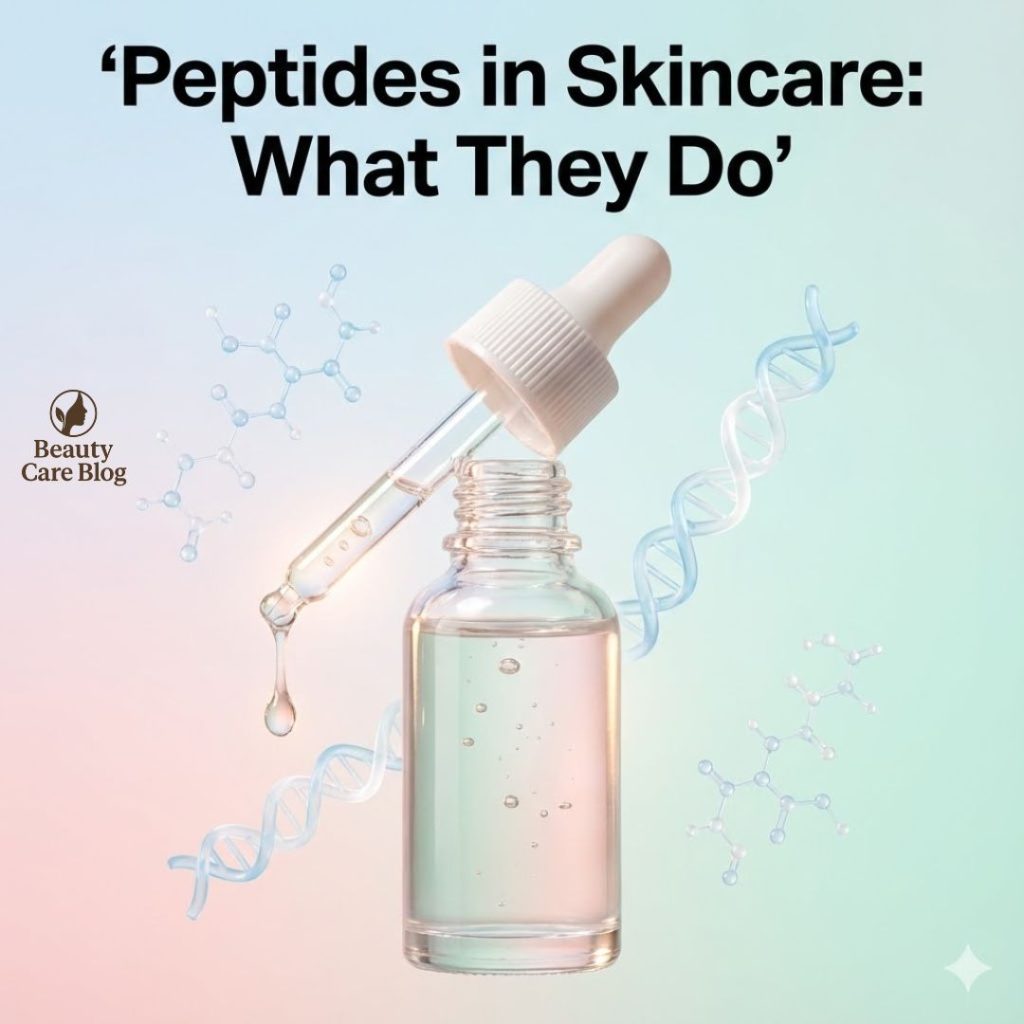
Peptides are tiny building blocks found naturally in your body. In skincare, they help signal skin cells to repair and strengthen. For example, they encourage collagen production, which keeps skin plump and smooth. Studies show peptides may also calm inflammation and protect against damage from the sun or daily wear.
Experts like dermatologists from the Cleveland Clinic note that while peptides are promising for anti-aging, they are not a magic fix. They often shine in serums or creams applied twice daily.
Common Benefits and How to Start
The evidence leans toward peptides helping with wrinkles, dryness, and even acne scars by supporting the skin’s barrier. Start with a gentle product if you have sensitive skin, and patch-test first. Brands like CeraVe offer affordable options with peptides for beginners.
Always consult a doctor for personalized advice, especially if you have conditions like eczema.
What Are Peptides in Skincare?
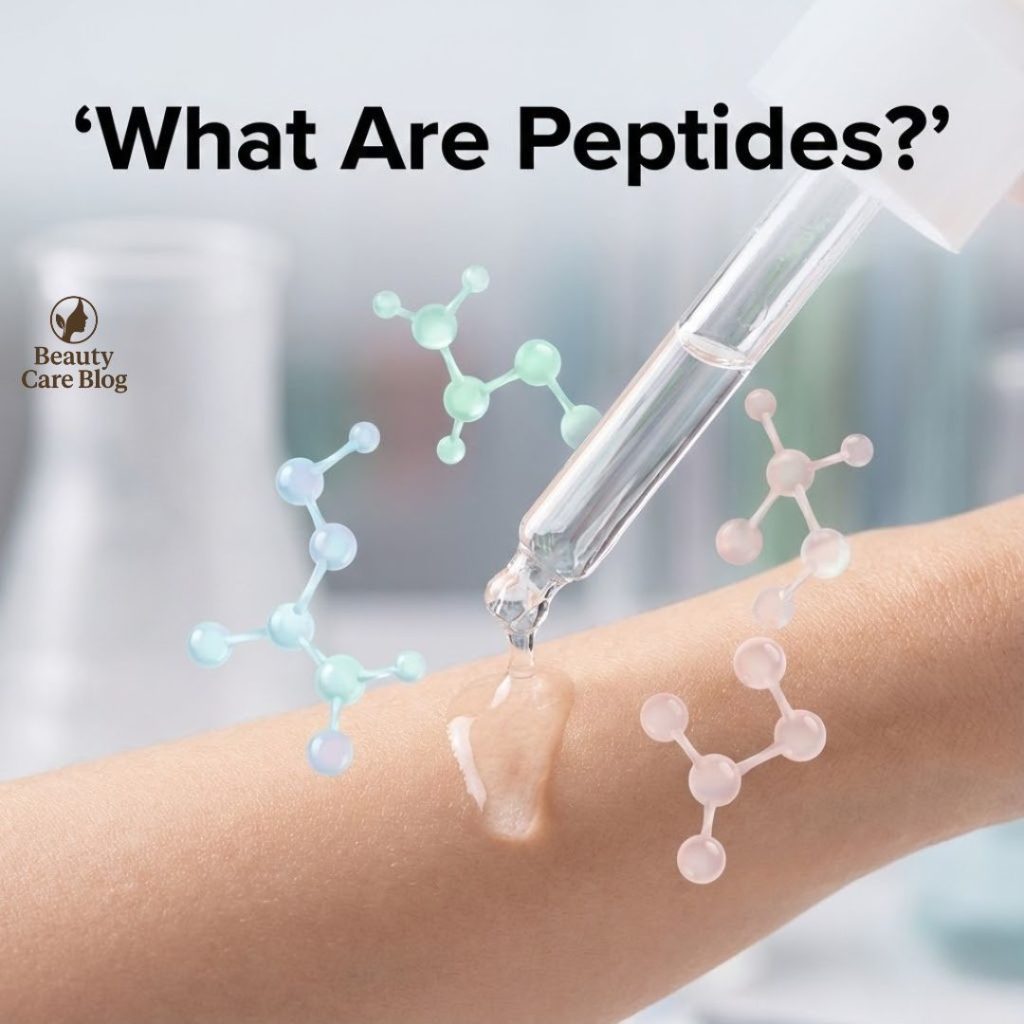
Have you ever wondered why some skincare products promise smoother, firmer skin? A key ingredient behind many of those claims is peptides. These small helpers are popping up in serums, creams, and masks more than ever. In this guide, we’ll break it down step by step. We’ll explore what peptides are, how they team up with your skin, and why so many people swear by them. All the details here come from trusted spots like health sites and real user chats. Let’s dive in and make sense of it all.
The Basics: What Exactly Are Peptides?
Picture your skin as a busy city. Proteins like collagen and elastin are the strong buildings that keep everything standing tall. Peptides are the short chains of amino acids—the tiny bricks—that help build those proteins. Amino acids are the basic parts of life, linking together like a necklace to form peptides.
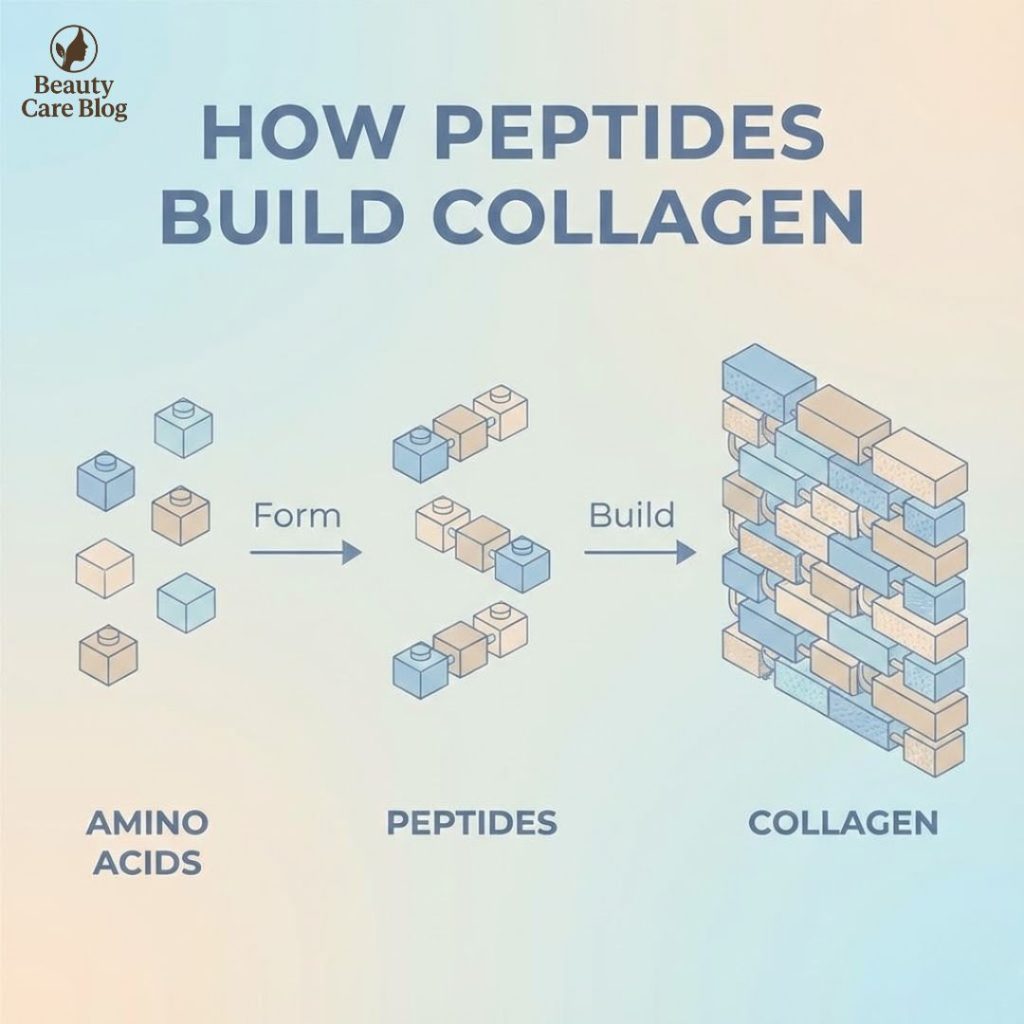
In simple terms, peptides are fragments of proteins. Your body makes them naturally in every cell to keep skin, hair, and nails healthy. But as we age, our supply slows down. That’s where skincare steps in. Products add peptides to give your skin a gentle nudge to keep working hard.
According to the Cleveland Clinic, peptides boost the power of creams and serums. They help fight signs of aging by supporting elastin and collagen. These two proteins make skin flexible and strong, like a rubber band that doesn’t snap easily. Without enough, skin can sag or show lines.
Peptides aren’t new in science. They’ve been studied for years in medicine and beauty. A report from the National Institutes of Health highlights how they pop up in cells everywhere, from your heart to your skin. In skincare, they’re safe for most folks and come in many forms, like powders or liquids mixed into lotions.
How Do Peptides Team Up with Your Skin?
Your skin is smart—it listens to signals. Peptides act like notes passed in class, telling cells what to do next. When you rub on a peptide cream, the small size lets them slip past the outer layer and reach deeper spots. There, they whisper to cells: “Make more collagen!” or “Fix that dry patch.”
This signaling is key. Unlike big proteins that sit on top, peptides dive in and spark change from inside. Over time—think weeks to months—you might notice skin feels bouncier. But patience is part of the game. Skin renews itself every 28 days or so, so steady use matters.
From what experts at Paula’s Choice share, peptides also calm swelling in the skin. Swelling, or inflammation, can speed up aging from sun or stress. Peptides step in to quiet it down, helping skin heal faster.
The Four Main Types of Peptides
Not all peptides do the same job. Think of them as a team with different roles. Here’s a closer look at the big four, based on insights from skincare pros.
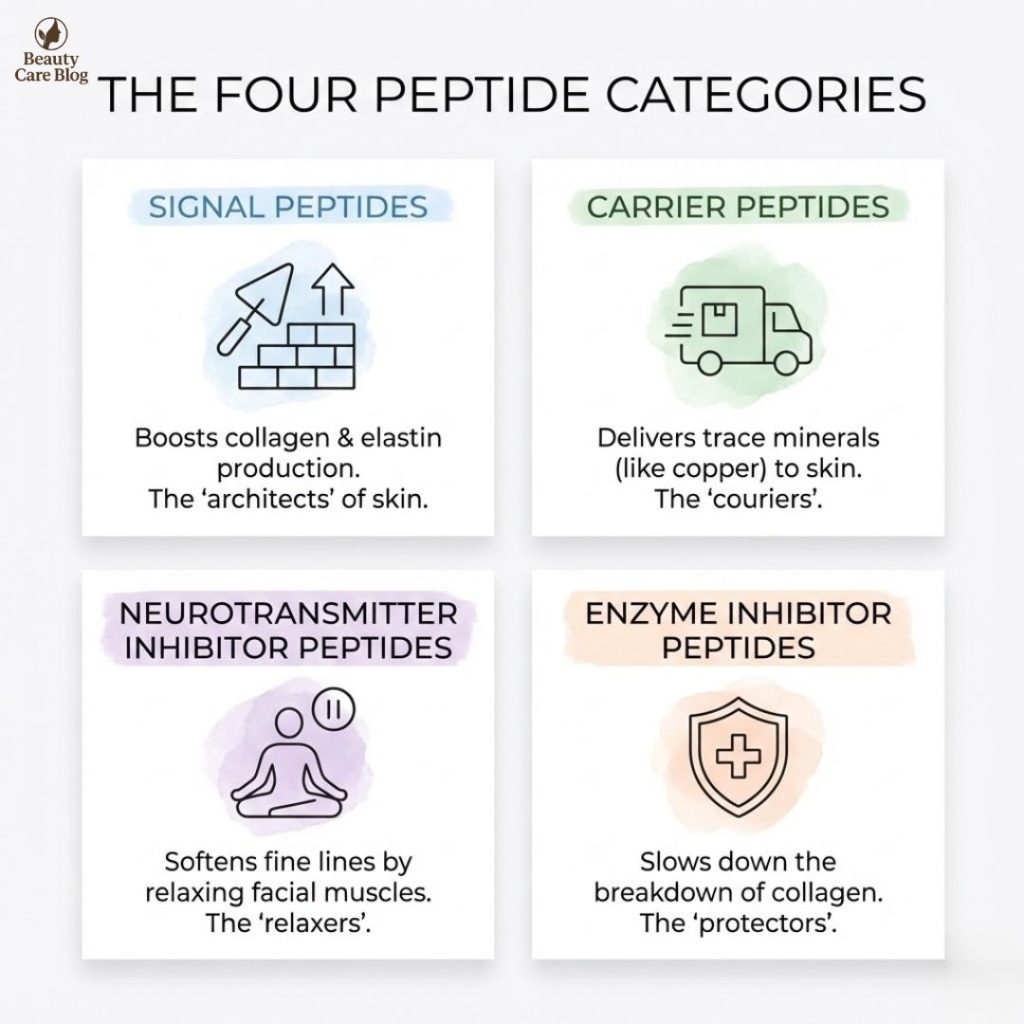
Signal Peptides: The Builders
These are the cheerleaders for collagen. Signal peptides send messages to skin cells to ramp up protein making. A popular one is Matrixyl 3000, which studies say can boost collagen like retinol but gentler.
In a video from Healthline, dermatologists explain how these peptides mimic what your body did when you were younger. Result? Firmer skin and fewer tiny lines around the eyes or mouth.
Carrier Peptides: The Deliverers
Carrier peptides are like delivery trucks. They carry helpful minerals, such as copper, right to where skin needs them. Copper peptides, for one, aid in healing cuts or scars while building new tissue.
CeraVe uses these in their creams to smooth rough spots. Users often report softer texture after a few weeks, as the peptides nourish from within.
Neurotransmitter Inhibitor Peptides: The Relaxers
Ever get those frown lines from squinting? These peptides block the brain signals that make face muscles tighten. It’s like a mini spa treatment without needles.
Prevention Magazine points out they’re great for expression lines. One example, Argireline, softens crow’s feet by keeping muscles chill.
Enzyme Inhibitor Peptides: The Guards
These protect your skin’s good stuff from breaking down too fast. Enzymes are like scissors that snip collagen— these peptides tie the scissors’ hands.
Derms from Dermstore say they’re key for long-term glow. They shield against UV rays and pollution, keeping skin tough.
To sum it up, here’s a simple table of the types and their main jobs:
| Type of Peptide | Main Job | Best For |
|---|---|---|
| Signal Peptides | Boosts collagen production | Fine lines, firmness |
| Carrier Peptides | Delivers nutrients | Healing, hydration |
| Neurotransmitter Inhibitors | Relaxes muscles | Expression wrinkles |
| Enzyme Inhibitors | Protects proteins | Sun damage, longevity |
This chart draws from expert breakdowns at Medik8.
Why Add Peptides to Your Routine? The Real Benefits
Peptides aren’t just hype—they back up their promises with real perks. First off, they help skin hold water better. Dry skin looks dull; hydrated skin shines. Peptides strengthen the barrier, that thin shield keeping moisture in and junk out.
Second, they tackle aging signs. As collagen dips after 25, lines appear. Peptides nudge it back up, making skin elastic again. A study in the Journal of Cosmetic Dermatology found users saw smoother texture after 12 weeks.
Third, they’re fighters against irritation. For folks with rosacea or acne, peptides soothe red spots and speed healing. The Kate Somerville team notes they pair well with gentle routines.
But let’s be real—benefits aren’t instant. Most see changes in 4-8 weeks. And while safe, they’re pricier than basics like hyaluronic acid. Still, for long-term care, they’re a solid pick.
Peptides for Different Skin Types
Everyone’s skin is unique. Dry skin loves carrier peptides for extra moisture. Oily types might lean on signal ones to control oil without clogging. Sensitive skins? Go for enzyme inhibitors to avoid flare-ups.
Doctor Rogers advises starting slow. Mix a peptide serum into your night cream, not all at once.
How to Use Peptides the Right Way?
Ready to try? Keep it simple. Clean your face, then layer a peptide serum or cream. Mornings: Follow with sunscreen. Nights: Add a moisturizer on top.
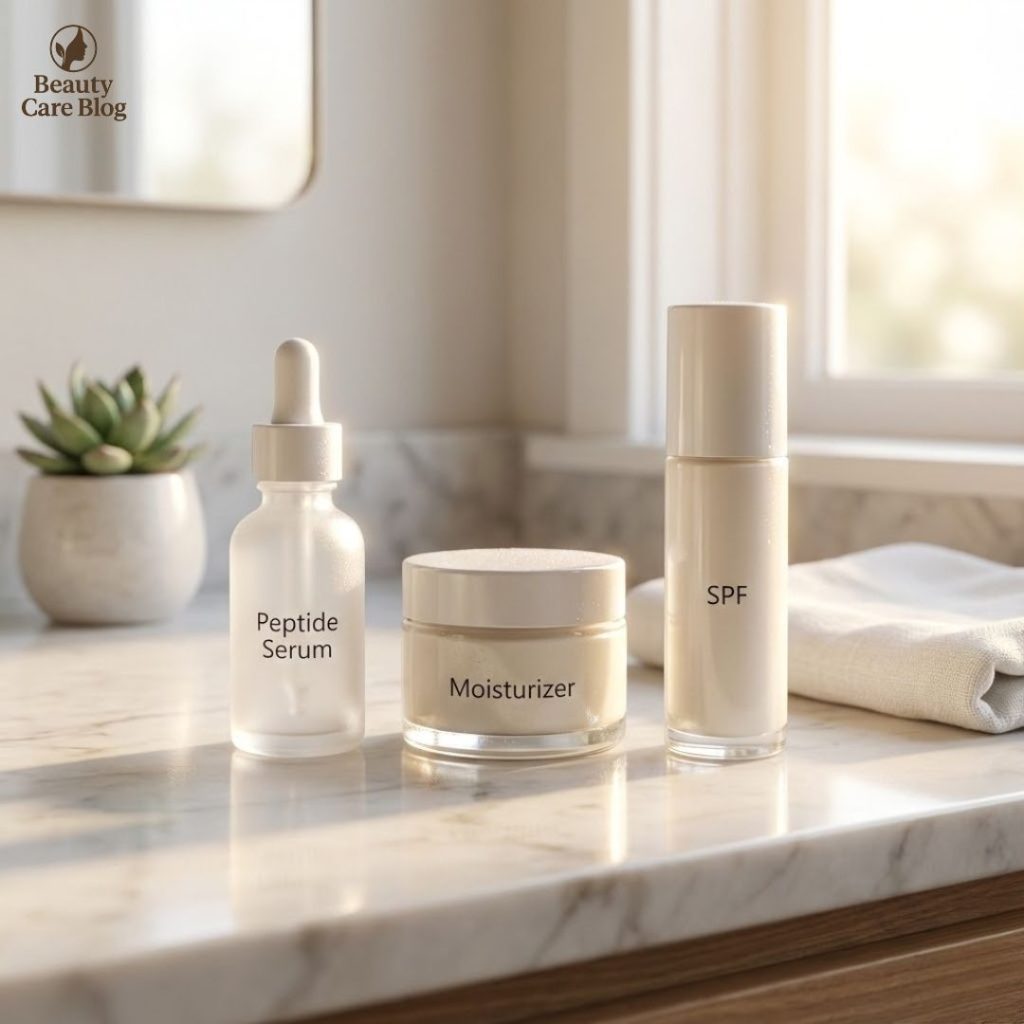
Don’t mix with strong acids like high retinol right away—wait 30 minutes. Use 1-2 times a day. Shelf life? Most last 6-12 months if stored cool.
For best results, pair with vitamins C or E. A routine might look like: Cleanser, peptide serum, eye cream, lotion. Boom—done.
What Real People Are Saying About Peptides?
Skincare chats light up online. On Reddit’s r/SkincareAddiction, one user shared: “Peptides changed my game. My lines softened after two months—no irritation!” Another in r/30PlusSkinCare added, “They’re worth it for texture, but pair with sunscreen.”
Over on X (Twitter), @MummyFever posted about collagen peptides: “Get ready to glow with bovine collagen peptides! In as little as four weeks, firmer skin.” It sparked likes from busy moms seeking quick wins.
Facebook groups buzz too. In a post from Cleveland Clinic, fans commented: “Peptides reduced my inflammation—game changer!” A video on another page explained: “Peptides signal new collagen, keeping skin plump.”
Even in Reddit’s r/AsianBeauty, folks rave: “Copper peptides healed my scars fast.” These stories show peptides fit many routines, from K-beauty to drugstore hauls.
A Peek at Popular Products
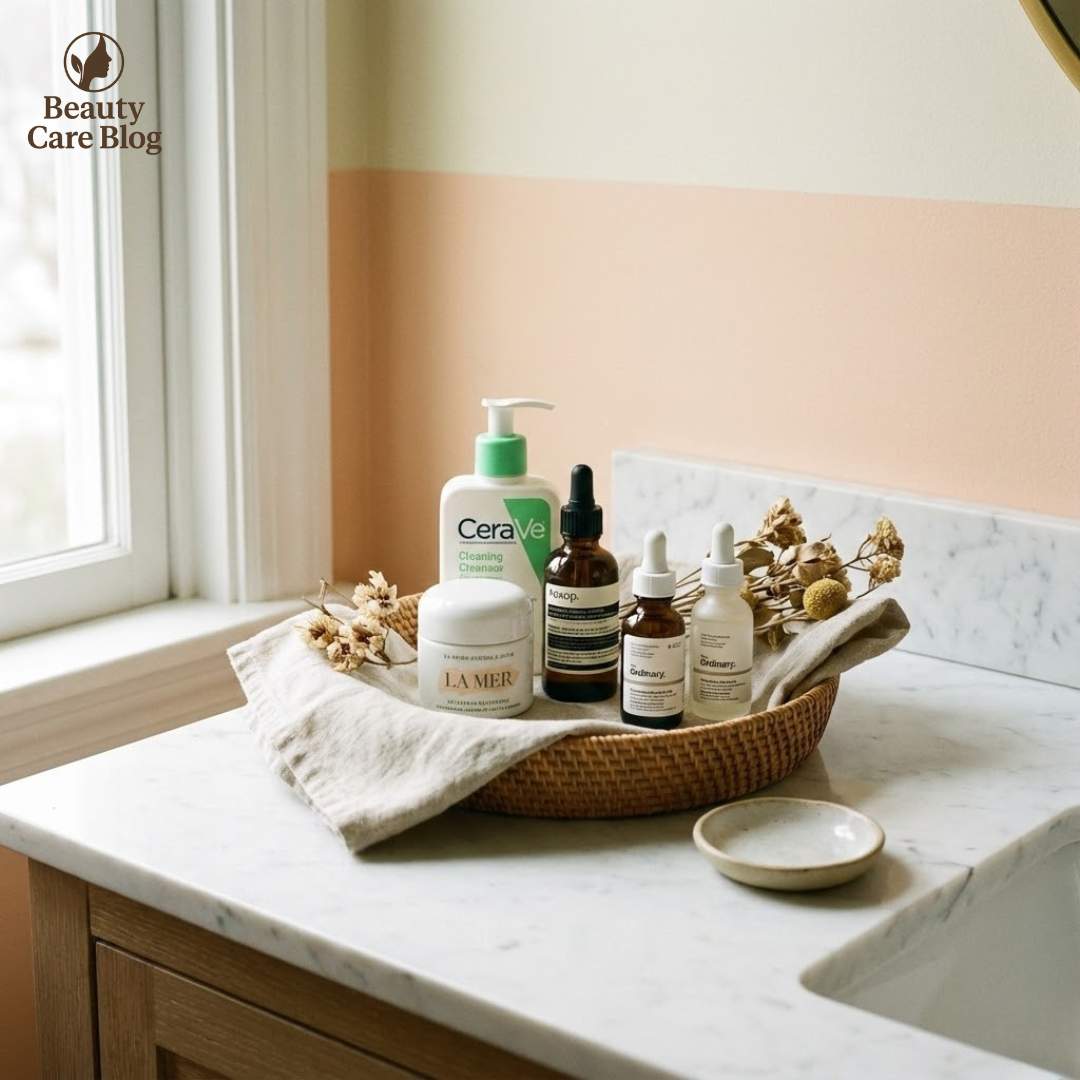
Curious about picks? CeraVe’s serum with peptides hydrates without fuss. Peter Thomas Roth’s wrinkle-fix has neurotransmitter types for quick smoothing. Budget? The Ordinary’s multi-peptide serum covers all bases.
Users on Reddit’s r/45PlusSkinCare hunt copper ones: “Highest concentration for collagen—clinically proven.”
Potential Downsides and Smart Tips
Peptides are gentle, but not perfect. Some feel tingling at first—normal, but stop if it burns. Rare allergies happen, so test on your arm.
They’re not for kids or open wounds. Pregnant? Check with a doc. Cost? A good serum runs $20-80, but sales help.
To max benefits, eat protein-rich foods too—peptides love a full tank. Sunscreen daily? Non-negotiable, as UV zaps collagen fast.
Peptides in the Bigger Picture of Skincare
Peptides fit like a puzzle piece in anti-aging. They’re not alone—team them with antioxidants for full protection. As Health.com says, they moisturize, smooth, and shield from sun woes.
Science keeps growing. A 2025 paper in PMC noted peptides cut pigmentation and boost cell growth. Exciting for even tones.
In chats like X’s @anditndale88, folks mix peptides with wellness: “Injections for skin? Or topicals—both glow!”
#healthbenefits
— andi tindale (@anditndale88) December 4, 2025
If anyone wants any injections for skin care or weight management.
Drop me a message
U.K. only please #peptides #skincare #weightloss #monjaro #ozempic #retatrutide #klowblend #ghkcu pic.twitter.com/ZQWH4WjHsP
Facebook’s Colorescience video sums it: “Peptides repair, hydrate, and firm—essential for glow.”
Wrapping It Up: Your Skin’s New Best Friend?
Peptides offer a kind way to care for skin. They build strength, calm trouble, and keep things fresh. From signal boosts to guard duty, each type plays a part.
Start small, listen to your skin, and enjoy the ride. Healthy habits beat any bottle. With peptides, you’re giving your face the tools to shine—naturally and gently.